

On January 27, 2026, Google celebrated its 27th birthday, marking over two decades of reshaping the digital landscape. From a small search engine developed in a university garage, Google has become a technological powerhouse that affects almost every aspect of modern life. Its influence extends from the way we access information to how we communicate, navigate, and even shop online. Celebrating Google’s 27th anniversary is not just about recognizing a company, but honoring a revolution in global connectivity and innovation.
The Founding of Google: Larry Page and Sergey Brin’s Vision
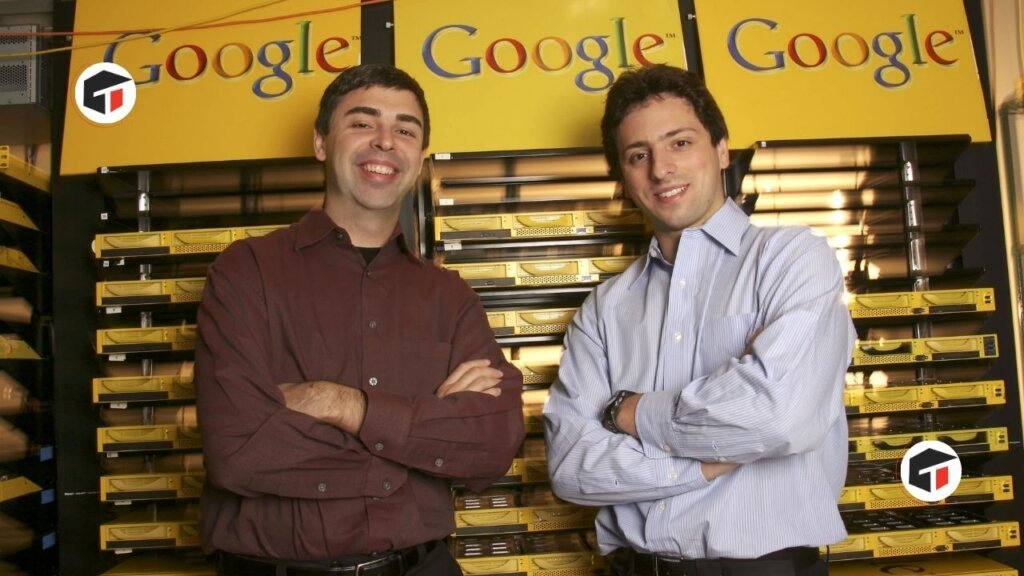
Google began as a research project in 1996 by Larry Page and Sergey Brin at Stanford University. They envisioned a search engine that could rank web pages based on relevance rather than simple keyword frequency. This vision led to the creation of the PageRank algorithm, which revolutionized online search by prioritizing quality content over sheer volume. Their approach focused on solving the problem of information overload, setting Google apart from competitors and laying the foundation for a company that would grow into a global tech giant.
From Garage to Global Headquarters: Google’s Early Days

The company’s humble beginnings in a Menlo Park garage highlight Google’s classic startup story. Early employees worked in tight quarters with limited resources, driven purely by innovation and a vision for transforming access to information. The first office environment emphasized creativity, collaboration, and unconventional problem-solving. These formative years cultivated a unique corporate culture that still defines Google today: one that prioritizes creativity, employee empowerment, and an obsession with improving user experience.
Revolutionizing Search: How Google Changed Information Access
Google transformed the way people find information online. Before Google, web searches often returned irrelevant results, making research tedious. Google’s algorithm improved search precision, delivering the most relevant content in seconds. It also introduced features like autocomplete and “Did you mean?” suggestions, further enhancing accessibility. This innovation not only made knowledge instantly available but also empowered businesses, educators, and individuals to thrive in a digital-first world.
Expansion Into New Technologies: Maps, Gmail, and More
Beyond search, Google expanded rapidly into other technologies. Google Maps transformed navigation and location-based services, allowing people to explore cities virtually. Gmail redefined email with large storage and innovative features like threaded conversations. Tools like Google Docs and Google Calendar streamlined productivity for millions. By creating an ecosystem of interconnected services, Google ensured that its users could rely on the platform for both work and daily life, further solidifying its global dominance.
The Android Revolution and Mobile Dominance
Acquiring Android in 2005 marked Google’s entry into mobile technology, eventually making Android the world’s leading operating system. Mobile devices became integral to modern life, and Google ensured that its services were seamlessly integrated, from search and maps to apps and cloud storage. Android’s open-source model encouraged innovation, allowing manufacturers worldwide to adopt the system. This strategy expanded Google’s reach, influencing billions of devices and further securing its position in global technology.
Google’s Role in Artificial Intelligence and Machine Learning
AI and machine learning have become central to Google’s operations. Tools like Google Translate, Google Lens, and predictive search algorithms demonstrate the company’s commitment to smarter, more intuitive technology. AI enhances user experience, improves ad targeting, and optimizes search results in real time. Google’s investments in AI research, including DeepMind, position the company at the forefront of artificial intelligence development, shaping the future of both technology and society.
YouTube Acquisition: Transforming Video Content Online
In 2006, Google acquired YouTube, expanding its influence into video content. The platform quickly became the go-to destination for entertainment, education, and user-generated media. This acquisition created new revenue streams for creators and advertisers while fundamentally changing how people consume content. By integrating its search and recommendation algorithms, Google personalized viewing experiences, making YouTube a central element of global culture and the digital economy.
Google Chrome and the Browser Wars
Launched in 2008, Google Chrome quickly overtook competitors to become the world’s most popular browser. Its speed, simplicity, and seamless integration with Google services provided users with an unmatched browsing experience. Chrome also emphasized security, efficiency, and intuitive design, influencing browser standards worldwide. This strategic move strengthened Google’s dominance in search while expanding its ecosystem, shaping how billions of people interact with the internet.
Google Cloud: From Search Engine to Enterprise Solutions
Google Cloud showcases the company’s expansion into enterprise solutions. Cloud computing allows businesses to store data securely, run applications efficiently, and analyze large datasets. Google Cloud competes with Amazon Web Services and Microsoft Azure, demonstrating the company’s ability to diversify beyond consumer products. Its investment in AI-powered analytics and cloud infrastructure highlights Google’s commitment to providing enterprise-level innovation alongside consumer services.
Innovations in Hardware: Pixel, Nest, and Smart Devices
Google entered hardware with products like the Pixel smartphone, Nest smart home devices, and wearable technology. These products integrate seamlessly with Google’s software ecosystem, emphasizing user convenience and smart automation. By combining software and hardware, Google created an interconnected environment that enhances everyday life. Hardware ventures also showcase Google’s ambition to extend its influence beyond software and dominate multiple tech sectors.
Google’s Cultural Impact on Society and Everyday Life
Google’s influence extends far beyond technology. Its tools have changed education, business, and social interaction. Search has democratized access to information, while platforms like Google Docs, Maps, and YouTube impact communication and collaboration. Google’s presence in daily life fosters efficiency, learning, and entertainment, shaping modern society. Its cultural impact is undeniable, influencing how people think, learn, and interact globally.
Challenges and Controversies Along the Way
Despite success, Google has faced controversies, including privacy concerns, antitrust scrutiny, and data management debates. Critics question its dominance in advertising and influence over digital content. Google has responded with policy updates, transparency initiatives, and investment in security. These challenges reflect the complexities of managing a global tech company while maintaining user trust and innovation.
Philanthropy and Global Initiatives by Google
Google invests in global initiatives such as renewable energy, digital education, and disaster relief. Programs like Google.org support nonprofits and innovative projects addressing social challenges. These efforts demonstrate the company’s commitment to corporate social responsibility. By combining business success with philanthropic initiatives, Google reinforces its role as a positive force beyond the tech industry.
The Future of Google: What’s Next After 27 Years
As Google turns 27, its future focuses on AI, quantum computing, and sustainable technology. New ventures in autonomous vehicles, augmented reality, and advanced cloud solutions show the company’s commitment to innovation. Google continues to explore ways to make technology smarter, more accessible, and environmentally responsible, ensuring it remains a central player in the next generation of global tech evolution.
Conclusion
Google’s 27-year journey demonstrates the power of innovation, vision, and adaptability. From humble beginnings in a garage to a global tech empire, Google has transformed the way humans access information, communicate, and interact with technology. Its influence spans search, AI, mobile, video, hardware, and enterprise solutions. Celebrating its birthday is a reminder of how far technology can go and the enduring impact of a company built on curiosity, creativity, and a desire to make information universally accessible.
Frequently Asked Questions
When was Google founded?
Google was founded in 1998 by Larry Page and Sergey Brin while they were Ph.D. students at Stanford University.
What products made Google famous besides search?
Key products include Gmail, Google Maps, YouTube, Android, Google Chrome, and Google Cloud.
How has Google impacted education?
Google tools like Google Classroom, Docs, and YouTube have revolutionized learning by providing accessible resources worldwide.
What is Google’s role in artificial intelligence?
Google develops AI through products like Google Translate, Google Lens, DeepMind, and predictive search algorithms.
How does Google celebrate its birthdays?
Google often creates interactive Google Doodles, highlights achievements, and reflects on global influence during its anniversary.
VISIT MORE: TODAY MAGAZINE