

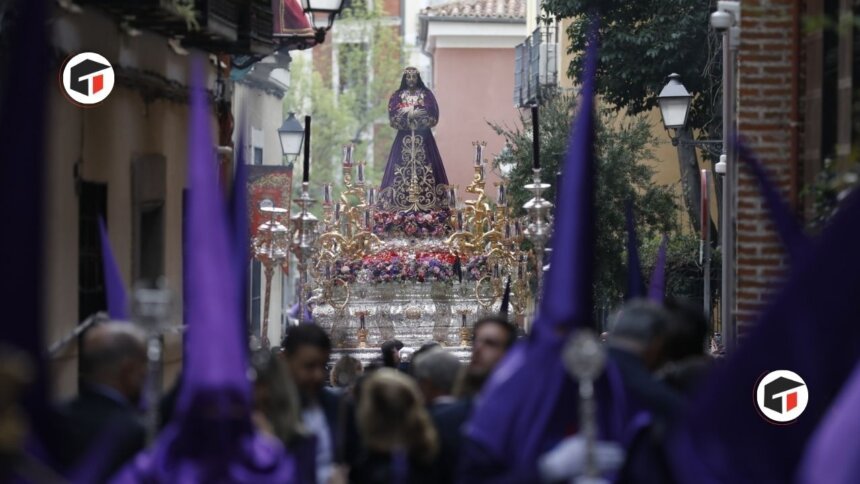
Semana Santa, or Holy Week, is one of the most important religious observances in the Christian calendar. Celebrated globally but particularly in Spain and Latin America, it commemorates the Passion, Crucifixion, and Resurrection of Jesus Christ. Semana Santa 2026 promises a vibrant combination of centuries-old traditions and modern adaptations. Observances include solemn processions, ritualistic reenactments, and community gatherings that strengthen faith and cultural identity. Beyond religion, Semana Santa has become a time for family connection, tourism, and cultural celebration, offering participants and visitors alike a meaningful and immersive experience.
Semana Santa 2026 Dates and Calendar
Semana Santa 2026 begins on Palm Sunday, March 29, 2026, and concludes on Easter Sunday, April 5, 2026. Each day of the week holds spiritual significance, moving from Jesus’ triumphant entry into Jerusalem to His resurrection. Holy Monday, Tuesday, and Wednesday emphasize reflection and preparation, while Maundy Thursday commemorates the Last Supper. Good Friday observes the crucifixion, Holy Saturday represents vigil and waiting, and Easter Sunday celebrates resurrection and renewal. These dates guide religious ceremonies and cultural festivities worldwide.
Palm Sunday 2026: The Start of Holy Week
March 29, 2026, marks Palm Sunday, celebrating Jesus’ entrance into Jerusalem. Palm branches, symbolizing peace and victory, are carried in processions worldwide. Churches reenact this biblical event, and streets in Spain and Latin America are decorated with palms and flowers. The day combines joy with reflection, reminding believers of the challenges and sacrifices that follow triumph.
Holy Monday, Tuesday, and Wednesday Traditions
The early days of Holy Week emphasize reflection, teaching, and preparation for the sacred events to come. On Holy Monday, believers commemorate Jesus cleansing the temple, an act that symbolizes justice and moral responsibility. Holy Tuesday highlights Christ’s teachings and warnings to followers, inspiring introspection and devotion. Observances on Holy Wednesday focus on Judas’ betrayal, serving as a reminder of human weakness and divine grace. Throughout these days, churches hold prayer services, scripture readings, and confessionals, offering opportunities for personal reflection and spiritual growth. In addition, communities often host smaller processions and devotionals that complement the larger celebrations later in the week.
Maundy Thursday 2026: The Last Supper Commemorations
Maundy Thursday falls on April 2, 2026, commemorating the Last Supper where Jesus shared bread and wine with His disciples. Foot-washing ceremonies symbolize humility and service. Evening Masses often include reenactments of the sacred meal, while communities engage in acts of charity. Maundy Thursday bridges the joyful start of Holy Week with the somber remembrance of Jesus’ crucifixion, emphasizing love and moral responsibility.
Good Friday 2026: Crucifixion and Mourning Observances
Good Friday is on April 3, 2026, honoring Jesus’ crucifixion. Observances include fasting, prayer, and Stations of the Cross. Processions dramatize the Passion narrative, often with participants carrying crosses or statues. The solemnity of the day conveys redemption and sacrifice, reminding believers of Christ’s unwavering love.
Holy Saturday 2026: Vigil and Preparation for Easter
Good Friday is on April 3, 2026, honoring Jesus’ crucifixion. Observances include fasting, prayer, and Stations of the Cross. Processions dramatize the Passion narrative, often with participants carrying crosses or statues. The solemnity of the day conveys redemption and sacrifice, reminding believers of Christ’s unwavering love.
Easter Sunday 2026: Resurrection Celebrations
April 5, 2026, marks Easter Sunday, celebrating Jesus’ resurrection. Churches overflow with joyful congregants, bells ring, and hymns are sung. Families gather for festive meals, decorate with flowers, and exchange symbolic gifts. Easter emphasizes renewal, forgiveness, and hope, culminating the spiritual journey of Holy Week 2026.
Semana Santa Celebrations Across Latin America
Latin American countries observe Semana Santa with rich cultural flair. Mexico hosts processions with dramatic reenactments, Guatemala is famous for its intricate alfombras (colored sawdust carpets), and Peru features centuries-old floats and traditional robes. Communities engage in music, dance, and shared rituals, making Holy Week a deeply immersive experience. Participation spans generations, with children learning customs alongside elders. The fusion of indigenous and Christian practices highlights the region’s unique approach to faith, culture, and heritage.
Traditional Processions in Spain During Semana Santa
Spain is renowned for its elaborate Semana Santa processions. Cities like Seville, Málaga, and Valladolid feature floats adorned with statues depicting biblical scenes, carried by members of religious brotherhoods. Participants wear traditional robes, hoods, and carry candles or crosses. The processions are accompanied by solemn music, drumming, and prayers. These events require months of preparation and foster community cohesion. Spanish processions blend religious devotion, artistry, and cultural identity, offering spectators both spiritual reflection and visual grandeur.
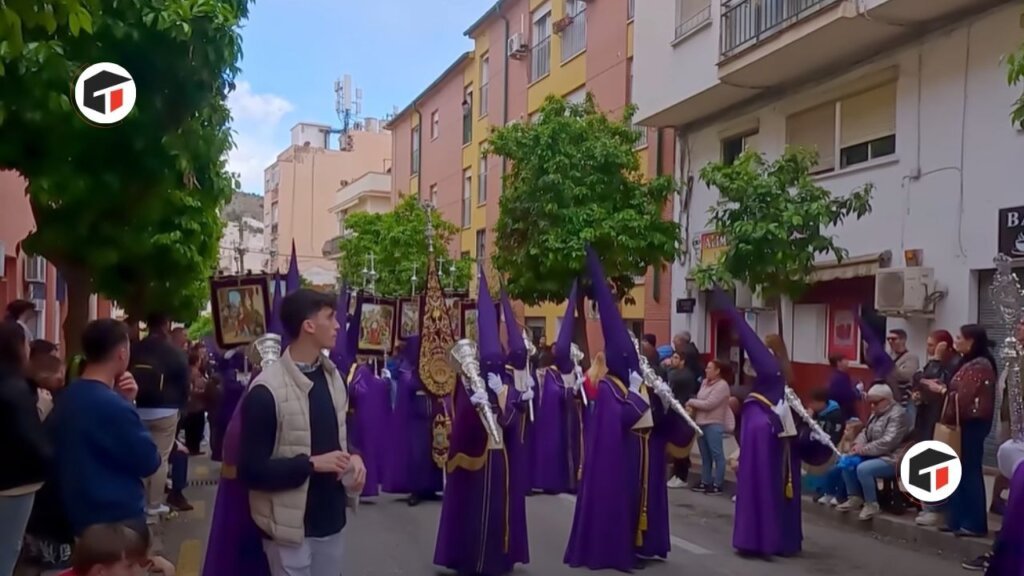
Religious Symbols and Rituals of Holy Week
Semana Santa employs symbolic elements like palms, candles, incense, and crosses. Palms represent victory and peace, candles signify hope and guidance, incense embodies purification, and crosses recall Christ’s sacrifice. Rituals such as foot-washing, processions, and reenactments serve as tangible expressions of faith. These symbols connect believers emotionally and spiritually, allowing them to internalize the lessons of sacrifice, compassion, and redemption. Across cultures, maintaining these rituals preserves the essence and continuity of Holy Week observances.
Family and Community Participation
Family engagement is central to Semana Santa celebrations. Parents teach children about Holy Week’s significance, guiding participation in prayers, fasting, and reenactments. Community events, like decorating streets and creating alfombras, promote collaboration and cultural pride. Shared meals, scripture readings, and church attendance reinforce family bonds. The combination of communal and domestic observances ensures that Semana Santa remains a living tradition, connecting generations and strengthening spiritual and social cohesion.
Tourism and Travel During Semana Santa 2026
Semana Santa attracts global travelers eager to witness processions and ceremonies. Cities like Seville, Antigua, and Oaxaca become hubs of tourism, boosting local economies. Visitors are encouraged to respect religious customs, dress modestly, and participate mindfully. Guided tours, live broadcasts, and cultural workshops enhance the experience while preserving authenticity. Tourism during Semana Santa offers an opportunity for cultural exchange, allowing travelers to immerse themselves in centuries-old traditions while supporting community sustainability.
Modern Observances vs Traditional Celebrations
While traditional processions and rituals remain central, modern Semana Santa incorporates technology. Live streaming allows global audiences to observe ceremonies, and social media shares enhance cultural awareness. Yet, the essence of Holy Week—faith, reflection, and communal participation—remains unchanged. Balancing innovation with tradition ensures that Semana Santa continues to resonate spiritually while adapting to contemporary lifestyles and global engagement.
Spiritual Significance of Semana Santa 2026
Semana Santa is not only a cultural event but a profound spiritual journey. The week encourages introspection, repentance, and gratitude. Observances provide a pause from daily life to reflect on moral values and spiritual growth. Participants are reminded of Christ’s teachings, sacrifice, and resurrection, which symbolize hope, renewal, and eternal life. In a fast-paced world, Semana Santa 2026 offers believers and observers alike an opportunity to reconnect with faith, purpose, and community.
Conclusion
Semana Santa 2026 combines centuries-old traditions, deep spirituality, and cultural richness. From Palm Sunday to Easter Sunday, each day carries unique lessons of sacrifice, reflection, and renewal. Celebrations across Latin America, Spain, and other parts of the world reinforce family ties, community bonds, and personal faith. By blending historical practices with modern adaptations, Semana Santa remains relevant and impactful. The 2026 observances promise meaningful engagement, connecting generations through devotion, artistry, and shared celebration.
Frequently Asked Questions
What is the difference between Semana Santa and Easter?
Semana Santa refers to the entire Holy Week, beginning with Palm Sunday and ending with Easter Sunday. Easter focuses specifically on the resurrection of Jesus.
Which countries have the most famous Semana Santa celebrations?
Spain, Mexico, Guatemala, Peru, and the Philippines are renowned for their elaborate processions and rituals.
Are there public holidays during Semana Santa 2026?
Yes, in many countries, Maundy Thursday and Good Friday are public holidays, allowing participation in religious observances.
How do families celebrate Semana Santa at home?
Families engage in prayers, fasting, scripture readings, and teach children about the spiritual meaning of the week.
Can tourists attend processions safely?
Yes, but visitors should respect traditions, dress modestly, and follow local guidelines to ensure a meaningful experience.
VISIT MORE: TODAY MAGAZINE